01
Supermarket & Convenience Store Hardware Solutions
Dual-Screen POS · Self-Checkout · Handheld Inventory · Full-Chain Coverage
Industry Background
Retail Digitalization at Full Speed

The global retail automation market is projected to reach USD 33 billion by 2030, driven by surging demand for self-service and digital checkout. Over 70% of retailers have increased investment in automated equipment, and self-checkout penetration has exceeded 45% in developed markets, with developing regions still holding massive untapped potential.

Consumer behavior is reshaping store operations — 64% of shoppers prefer self-checkout, and queues exceeding 3 minutes lead directly to cart abandonment. Brick-and-mortar retail is rapidly evolving toward smaller-format, fresh-food-oriented, omnichannel models.

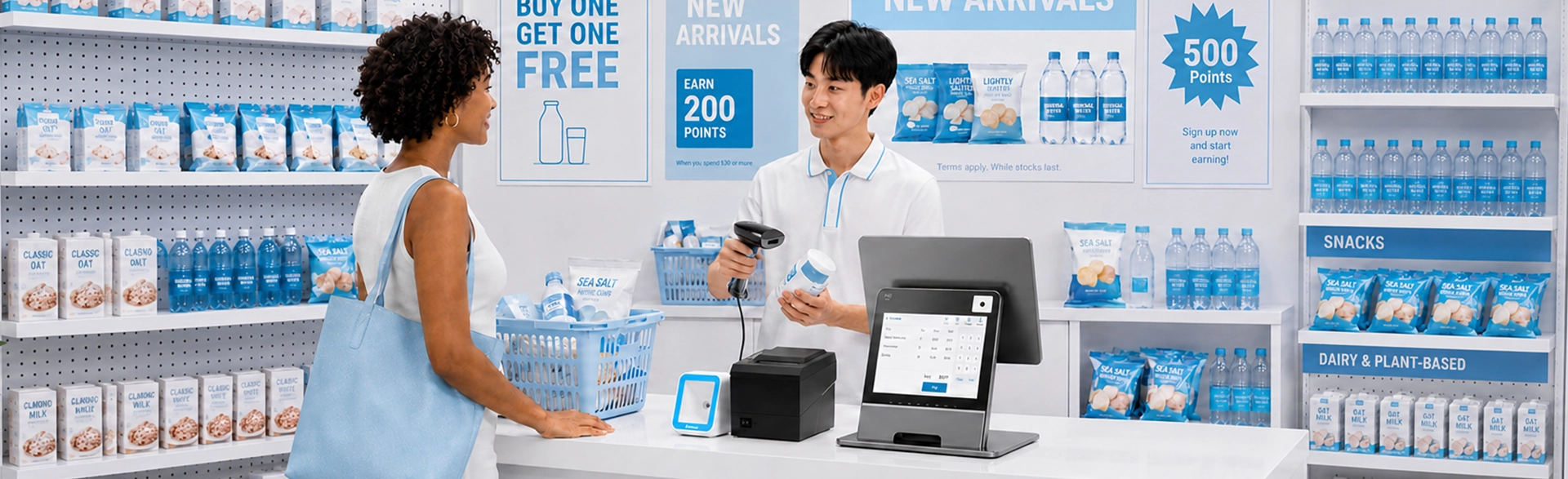
In this landscape, POS hardware has evolved from a simple “payment tool” into the central nervous system of store operations, driving surging demand for standardized, intelligent, and scalable deployment.

Target Customers
Software Vendors

Retail SaaS and ERP developers who need a stable Windows-based hardware platform to run their core POS and O2O systems.

Key requirements center on three areas: rich I/O for broad peripheral compatibility, support for batch image deployment, and a unified SDK across the entire hardware lineup — from POS terminals to self-checkout kiosks to handheld inventory scanners.

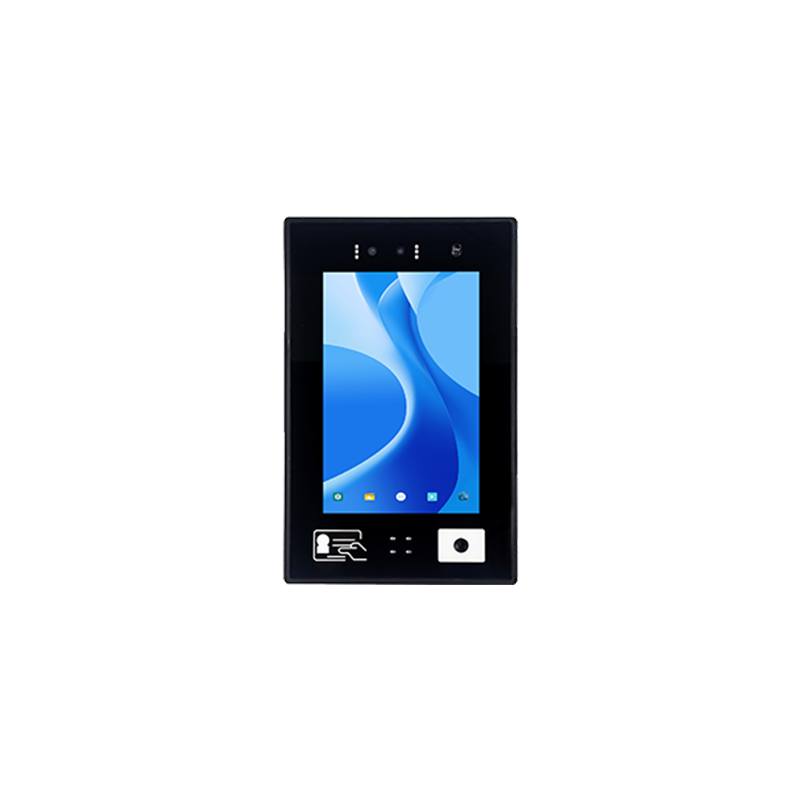
Genstar G1 is purpose-built for Windows, while G2/Z1-270 offer Windows or Android at factory selection, helping software vendors reduce multi-brand integration complexity and focus development resources on business innovation.

Chain Store Operators

Community convenience chains, 24-hour stores, fresh-food supermarkets, and snack retail brands, with dozens to thousands of locations requiring a unified hardware standard.

Core requirements: equipment must withstand 24/7 high-intensity operation with no lag and minimal failure rates; POS terminals, self-checkout kiosks, and handheld inventory devices must come from a single vendor for consistent batch delivery.

Critical factors also include a stable supply chain to support continuous expansion and rapid after-sales response — keeping stores operational with minimal downtime.
Customer Pain Points & Our Approach
✕
System Lag & Peak-Hour Crashes
POS systems freeze or crash during rush hours, causing customer walkouts and dozens of lost transactions per store per day
✓
Industrial-Grade Stability, 24/7 Uptime
G1 powered by Intel J6412 quad-core industrial mainboard, 4GB RAM + 64GB SSD, proven in high-intensity continuous operation
✕
Multi-Brand Hardware Fragmentation
Software vendors waste time integrating disparate hardware brands — inconsistent drivers, non-standard interfaces, each brand requiring its own adaptation process
✓
Windows / Android at Factory Selection
G1 runs Windows; G2/Z1-270 support Windows or Android at factory selection. One SDK per platform covers all devices in that lineup, reducing repetitive integration work
✕
Severe Checkout Queues at Peak
Manual checkout queues exceed 10 minutes during morning/evening peaks and weekend promotions; shoppers abandon purchases, urgently need self-checkout to divert traffic
✓
Flexible Self-Checkout, Immediate Queue Relief
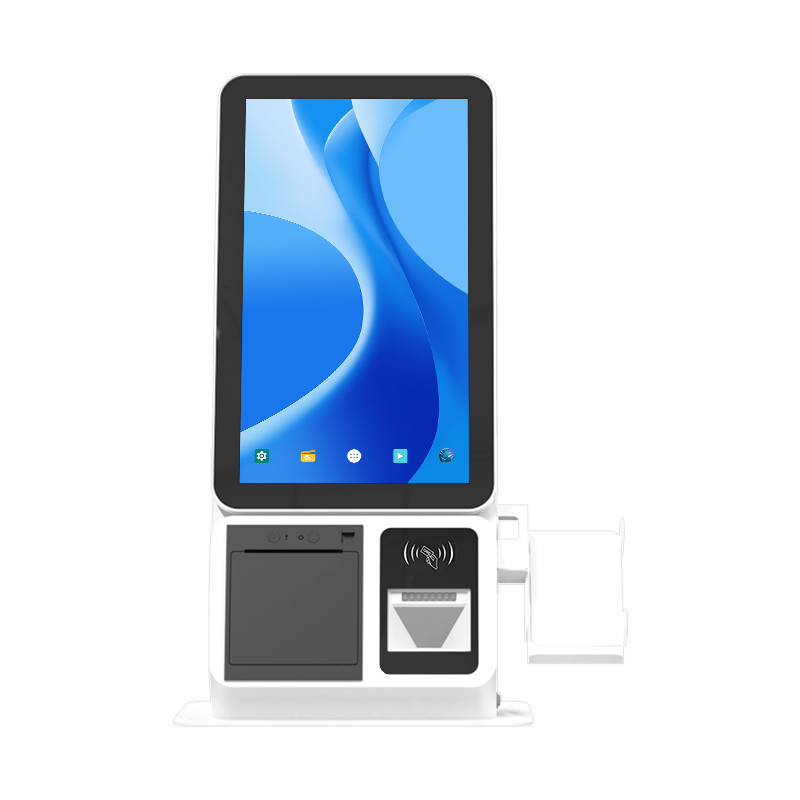
G2 compact all-in-one for small-to-medium stores + Z1-270 21.5″ with auto-cutter for hypermarkets, customers scan and pay independently, queue time drops significantly
✕
Slow & Error-Prone Inventory Counts
Manual inventory recording is time-consuming and inaccurate; pre/post-promotion stock reconciliation disrupts normal operations and replenishment accuracy
✓
Wireless Handheld Scanning, Multiplied Efficiency
M1 handheld terminal with 1D/2D scanning, WiFi real-time stock sync, promotion-period counts without disrupting store operations, data accuracy greatly improved
✕
Peripheral Clutter & Cabling Chaos
Scanners, receipt printers, and NFC readers each require separate connections, creating cable clutter at the checkout, making troubleshooting difficult and hurting store appearance
✓
All-in-One Design, Minimal Cabling
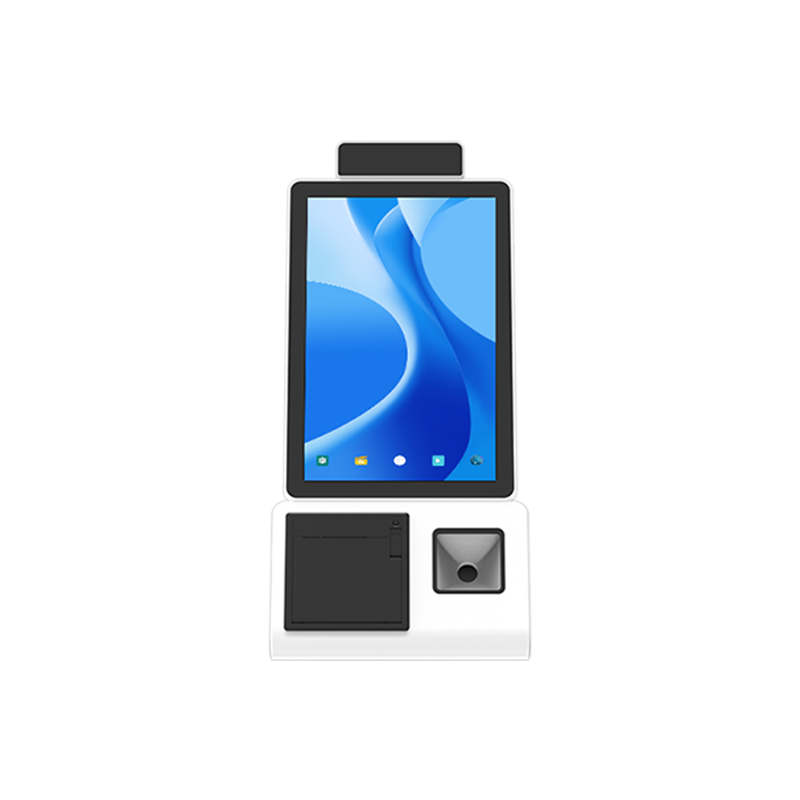
G1 integrates a built-in 58/80mm thermal printer, paired with GS-700 barcode scanner via USB plug-and-play — the entire checkout runs on a single power cable
Genstar Hardware Configuration
G2
G2
Self-Service Terminal
  • No specifications available
Z2
Z2
Self-Service Terminal
  • <p>just test</p>
T1
T1
xxxx
Verify Terminal
    • Android / Windows at factory selection
    • RK3568 Quad-Core 2.0GHz / J6412 / N95
    • 4GB RAM + 64GB SSD
    • Built-in 58/80mm thermal printer
    • Single / dual screen, compact all-in-one
Key Hardware Advantages
✓Industrial-Grade Reliability — G1 powered by Intel J6412 quad-core industrial mainboard, 4GB RAM + 64GB SSD, 24/7 continuous operation without lag or crashes
✓Built-In Printer, Minimal Deployment — G1 integrates 58/80mm thermal printer, eliminating external printer cabling; checkout runs on a single power cable
✓Flexible Self-Checkout Options — G2 compact all-in-one for stores up to 500 sqm, Z1-270 21.5″ with auto-cutter for hypermarkets; mix and match by store format
✓High-Performance Scanning — GS-700 reads product barcodes and mobile payment codes rapidly, supports screen and damaged codes, ensuring smooth peak-hour checkout
✓Wireless Handheld Inventory — M1 wireless scanning for rapid pre/post-promotion stock reconciliation, real-time WiFi sync to backend, no disruption to store operations
✓Windows / Android at Factory Selection — G1 runs Windows for complex ERP workloads; G2/Z1-270 offer Windows or Android per deployment needs; one SDK per platform covers all devices in that lineup
Solution Value
Unified Vendor Selection
One hardware vendor across the entire product line; software vendors integrate once per platform to cover all devices, avoiding multi-brand fragmentation
Streamlined Deployment
POS + self-checkout + inventory — full chain from one vendor; chain stores deploy consistently at scale, spare parts management simplified
In-House Manufacturing
Self-owned production base with ample capacity; batch consistency guaranteed; reliable supply for chain brands in continuous expansion mode
Nationwide After-Sales
Extensive after-sales network for rapid fault response; adequate spare parts inventory to keep store operations uninterrupted
Use Cases
Convenience ChainsCommunity SupermarketsFresh-Food Stores 24-Hour StoresHypermarketsSnack Retail Chains